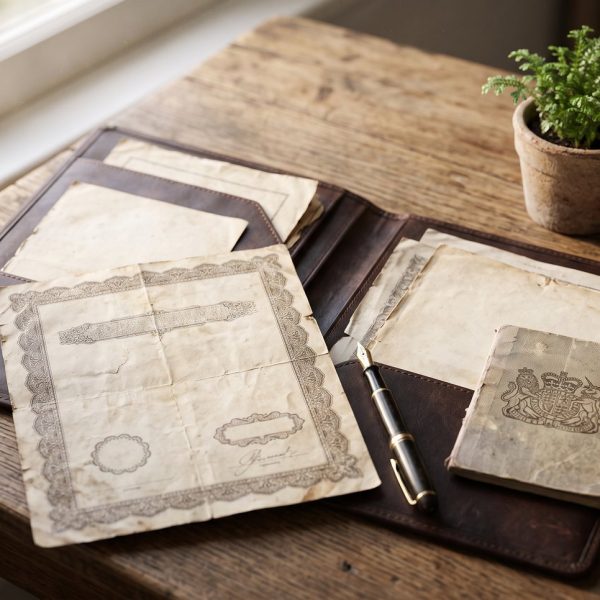
Few documents get requested as often as a birth certificate. Immigration offices ask for it, universities ask for it, banks and registry offices ask for it, and when the original is not in the local language, a birth certificate translation becomes the first thing on the checklist. It looks like a simple one page job, yet it is also one of the most common reasons applications are sent back. A little preparation makes the difference.
Why a birth certificate translation is never just a rewrite
A birth certificate is a civil record, and the receiving office treats the translation as a faithful copy of that record in another language. Every name, date, place and registry number must match the original exactly. Even a small variation, such as a different spelling of a parent's surname, can trigger a request for clarification, and in a legal process that can mean weeks of waiting.
The layout matters too. Civil records come with stamps, seals, handwritten notes, marginal remarks and sometimes several pages of annotations. A proper translation describes these elements, for example by noting "[stamp: illegible]" or "[signature]", so the reader knows what appears on the original. Skipping them can make the translation look incomplete.
Names, dates and places: where mistakes happen
Names are the biggest risk. Many languages use different alphabets, and transliteration systems vary. Your passport probably already shows a Latin spelling of your name, and the translation should follow that spelling rather than invent a new one. If the passport and the birth record disagree, tell your translator before work starts so the issue can be handled openly.
Dates are the second trap. A date written as 03/04/2019 means the third of April in most of the world and the fourth of March in the United States. A careful translator writes the month in words to remove all doubt. Place names deserve the same care, especially when borders or administrative regions have changed since the record was issued.
Certified or not: what the receiving office wants
Requirements differ widely. Many immigration authorities want a certified translation, meaning the translator or company signs a statement confirming that the translation is complete and accurate and that they are competent in both languages. Some countries want a sworn translator registered with a court, and others only ask for a plain translation from a recognised professional. Always check the instructions from the specific office, college or agency before ordering.
Most providers of birth certificate translation services can issue the certificate of accuracy within the same delivery, and many will deliver a signed PDF immediately and a hard copy by post if needed. If you need both, say so at the time of ordering. For a deeper look at the process, this guide to translating birth certificates walks through typical steps.
Applicants filing in the United States face an extra layer of rules, because USCIS expects every foreign-language record to arrive with a complete English rendering and a signed certificate of accuracy. A worked example of birth certificate translation for USCIS applications shows how those requirements play out in practice, from name spellings to registry stamps. Reading such an example before you order can help you brief your own translator more clearly. It also makes the final check against your original quicker and less stressful.
Apostilles and legalisation
Translation is sometimes only one half of the story. If the document is going to another country, the issuing authority may need to confirm that the original is genuine. For members of the Hague Convention, this is done with an apostille, a standard certificate attached to the document. The Hague Conference on Private International Law maintains a full list of participating countries and competent authorities.
The order of steps is important. In many cases the apostille is attached to the original first, and then the document and the apostille are translated together. If you translate first, the apostille may not be covered. Our related reading on the apostille for a birth certificate explains where translation fits in that sequence.
How to prepare your order
Start with a clear scan or photograph of the entire document, including the back if there is writing there. Poor image quality causes guesswork, and guesswork causes errors. Include every page and any attached notes. If the record is handwritten, mention it, because specialist reading may be needed.
Next, tell the provider what the translation is for and which country will receive it. That single detail decides the format, the certification wording and whether additional steps such as notarisation are needed. Finally, provide the correct spelling of every name as it appears in your passport or other identity papers.
Allow a few working days, more if you also need an apostille. Rush service exists and often works, but it is better not to depend on it. Applications tend to have fixed deadlines, and a returned document can set you back far more than the cost of ordering early.
A short checklist before you submit
Read the finished translation against the original, line by line. Check names, dates, registry numbers and places. Confirm that the certification statement is signed and dated, and that the contact details of the translator or company are shown. If anything looks off, ask for a correction before you submit, since good providers fix errors quickly and without fuss. Getting this one page right the first time saves more stress than almost any other piece of paperwork in a move abroad.